Blog ·
Preparing Your Lawn for Every Season: A Year-Round Guide
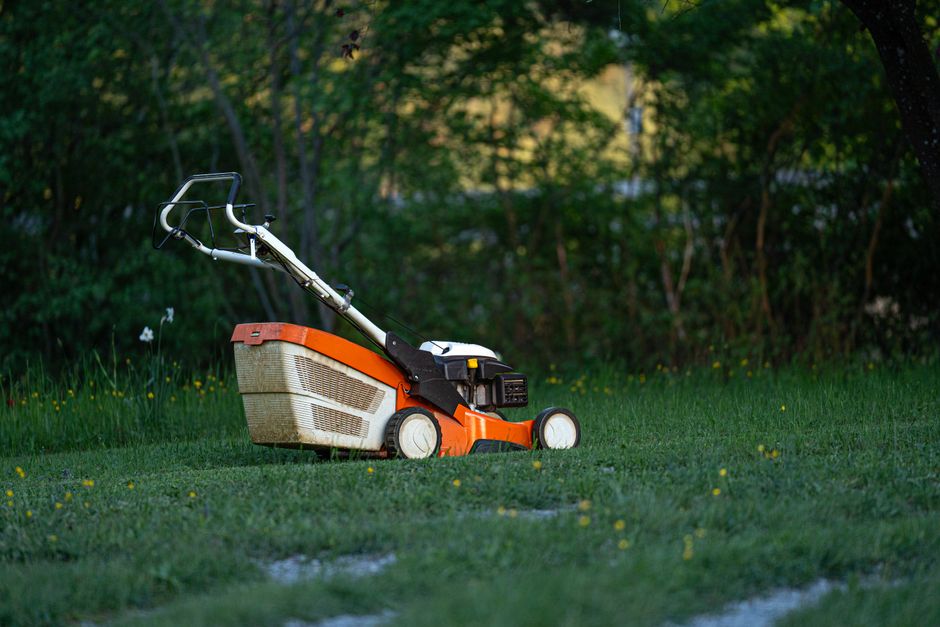
Your lawn faces different challenges throughout the year, and successful lawn care means adjusting your maintenance routine seasonally. By understanding what your grass needs during spring, summer, fall, and winter, you can maintain a lush, healthy yard that remains attractive year-round.
Spring Renewal
Spring is the time for renewal and preparation. After winter dormancy, your lawn needs immediate attention. Early spring is the ideal moment to rake away accumulated dead grass and debris from the cold months. This process, called dethatching, allows water, nutrients, and air to reach the soil more effectively. Spring is also when you should apply pre-emergent treatments to prevent weed seeds from germinating. If your lawn has bare patches, overseed these areas to encourage new growth before summer heat arrives.
Summer Maintenance
Summer brings heat stress to most lawns. During hot months, grass requires deeper, less frequent watering to encourage roots to develop deeper into the soil. Water early in the morning to reduce evaporation and disease risk. Mow at a slightly higher setting to keep grass blades longer, which provides more shade to the soil and reduces moisture loss. Watch for heat-stressed areas that may become susceptible to pests or diseases. Yellow or brown patches may indicate problems that require prompt attention.
Fall Preparation
Fall maintenance is crucial for winter survival and spring rejuvenation. Cooler temperatures and increased moisture make fall the ideal time for aeration and seeding. Aeration creates small holes in the soil, improving compaction issues and allowing nutrients to penetrate deeper. Fall is also when you should apply fertilizer to build root reserves before winter dormancy. Continue mowing as grass growth slows, and remove fallen leaves regularly to prevent them from smothering the lawn underneath.
Winter Care
Winter care depends on your climate. In milder regions, cool-season grasses continue slow growth and benefit from occasional watering. In harsh climates, dormant grass requires minimal care, though you should avoid foot traffic on frozen turf when possible. Clear heavy snow accumulation to prevent suffocation, and avoid salt damage by keeping de-icing materials away from your lawn edges.
Understanding your lawn's seasonal needs prevents reactive crisis management. Rather than treating problems as they emerge, seasonal maintenance addresses issues before they begin. This approach keeps your lawn healthier, reduces the need for intensive treatments later, and ensures your outdoor space remains beautiful throughout every season.